I figure it’s a cross between Euell Gibbons and Basil Rathbone, a mixture of natural curiosity and dogged determinism; a personal quest, my ongoing War Against Six Dollar Items, where I delight in finding products “in the wild” – unfettered by middlemen, fly shops, and their obligatory markup..
I’ve been chasing down Ultra Chenille (Vernille, Velvet Chenille, Suede chenille) for almost a year. I thought I had it when I discovered a manufacturer in Turkey, instead it was an interesting crop of fibers and yarns, all cheap as dirt and as yet undiscovered.
Ultra chenille is a great material, tough as nails, low buildup, and has a variety of uses from traditional chenille flies to the nouveau dressings unique to the product.
At $2 for 9 feet, it’s also pricey.
I’d toss the old rayon stuff if the price was low enough to replace it – mainly because ultra chenille wears better and doesn’t come apart in your fingers if spun in the wrong direction. The fibers being so much shorter – it doesn’t mat or bleed, especially after the flies have been fished.
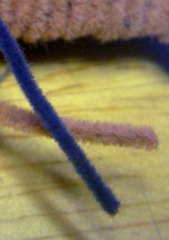 This fiber is made by a manufacturer called “Silk City Fibers” located back East, and is marketed under the “Tie” name, to distinguish it from the myriad of other yarns they make. It’s neither suede, rayon, or cotton, rather a synthetic nylon called “Polyamide.”
Acid dyes will dye nylon just fine – allowing the possibility of scoring a 2000 yard cone of white and making whatever color you fancy.
Chenille and yarn follow a number of sizing conventions and the “YPP” convention is commonplace. “YPP” is Yards Per Pound, and the higher the number the smaller the diameter of the material.
“Tie” is a 3800 YPP fiber which is about 15% smaller than the size sold in the fly shop. Also good, because we can use it on smaller hooks without making the fly too bulky – and it’s likely available in a variety of sizes – something else that’s missing from the fly shop selection.
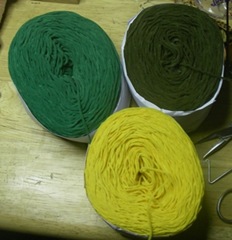 A cone of ultra chenille is $90 from a reseller – and while only a commercial tyer will get excited – searching on eBay yields a vendor with 14 of the 16 colors available from the factory.
50g skeins for $5 is a steal, and she has plenty.
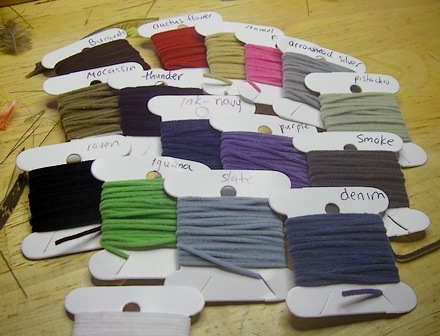
The top picture is her color selection, and contacting the vendor directly will score you enough of “the good stuff” to make it worth your while.
The smaller size is especially useful, as it’s diameter is small enough to make trout flies – expanding your use beyond traditional steelhead flies and streamers.
The War Against Six Dollars Items continues, with you folks the beneficiary.