It’s the simplest of all games really, each Saturday evening I sit down at the vise to invent the next great dry fly series that will revolutionize the surface game, and make everyone forget them ancient fuddy-duddies like Skues, Halford, or Ronald McDonald …
Rules are simpler yet; it has to be as fast or faster to tie than a traditional dry fly, and it has to use at least one waste byproduct of fly tying – some butt end or common scrap we’ve discarded routinely.
That way I can insist mine’s better than Theodore Gordon’s halting imitations as my fly is “green” as well as guaranteeing an early supper …
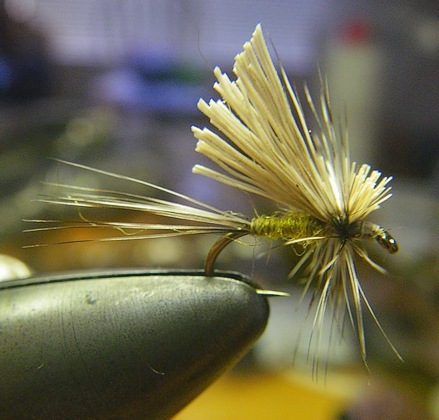
I’m not sure I was supposed to come up with anything at all, it was the challenge that drew me to the vise week after week.
I reversed the wing from a Quigley Cripple using deer hair trimmings as the discard material. His Cripple uses the trimmed stub over the body, and the long end over the eye of the hook. I added a dab of tacky wax to the wing … just enough to add a bit of clumping (for the mayfly version) and allows me to pull the wing down over the body to turn the fly into a caddis imitation.
Pull the wing up for the mayfly hatch and down for the caddis grab – neither requires you to retie the knot when it’s near dark.
What’s not to like in a fly that can imitate two of the major trout food groups?
The real test of a great fly is not in its design or function but in the hidden meaning of its name, which will naturally be lost over time, yet adds mystery and illusion to a pedestrian effort.
There were two royal coachmen for each carriage, so which inspired the fly?
I call it the “Hovering Predator” which we’ll know as the drone that’s kept Osama behind them high walls and rooted to the compound, and the rest of history will have to guess at – while wadding handfuls of #16’s into their fly boxes.
Better yet, I’ve shown you mine, now I want to see yours …

 I remember the elevated tempers and harsh language when they contemplated NAFTA, the North American Free Trade Agreement. Senators would pound fist on podium insisting it wasn’t fair to us and how the abolished tariffs and transparent borders would benefit our neighbors much more than ourselves.
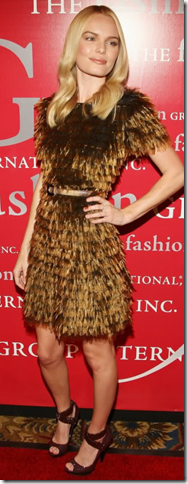 I wouldn’t worry too much unless you tie dry flies or fish for steelhead. Your prayers of this being an overnight fad are simply not working …
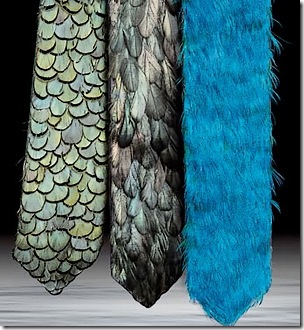
 As most of you already know, mosquitoes ferret us out due to the CO2 we exhale. Ditto for anything else that sucks blood, and why entomologists lay dry ice on a white blanket and run for their lives …